Home › Sitework and Structural Concrete
Superior Concrete Seminole provides sitework and structural concrete services for commercial and industrial projects in Seminole, FL. We build equipment pads, retaining walls, footings, piers, and pedestals, coordinating with other trades to keep your project on track from excavation through final pour.
Superior Concrete Seminole provides professional structural concrete throughout Seminole, FL, Florida and the surrounding area. Our licensed, insured crew delivers safe, clean, on-time work with a free estimate before anything begins. Call (727) 607-6906 or request your free quote.
Sitework and structural concrete for Seminole properties
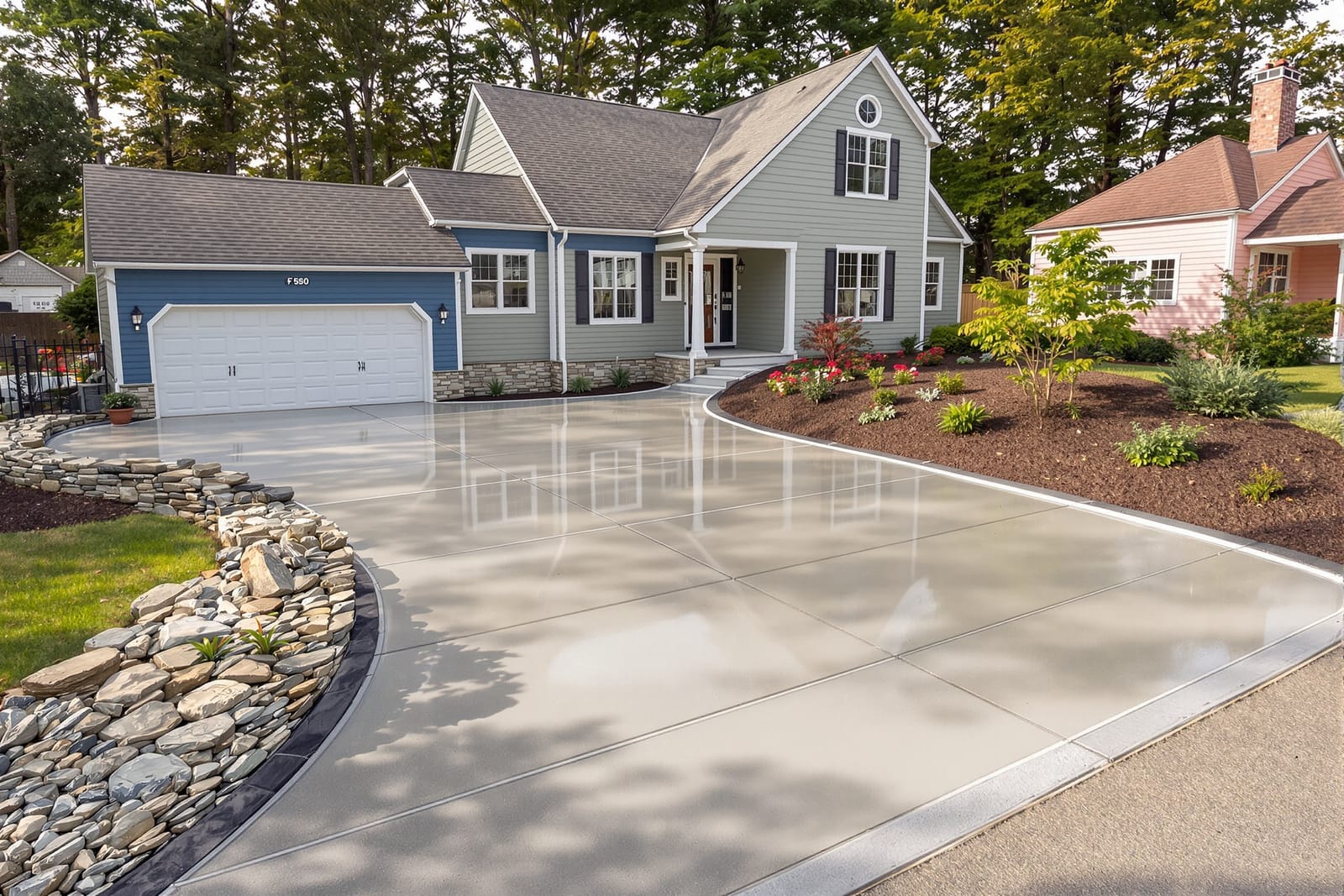
Superior Concrete Seminole handles sitework and structural concrete for homes, small commercial buildings, and coastal properties across Seminole, FL. Our work usually starts before you ever see concrete on the ground. We walk the lot, look at drainage patterns, existing slabs or driveways, nearby trees, and any cracking or settlement in neighboring structures. This lets us flag issues early, like a soft backyard that will not hold a pool deck or an older block home that needs better support for a room addition.
Most of Seminole sits on relatively flat land with sandy soils and a high water table. That affects how we approach your project. For many structural concrete jobs, such as room additions, detached garages, or heavier screen enclosures, we need to consider how seasonal rain and groundwater will move under and around the slab. If a previous contractor ignored this, it often shows up as hairline cracks, slab lifting, or standing water along the foundation. When Superior Concrete Seminole takes over, we design the sitework and structural concrete together so the slab, beams, and drainage all work as one system.
We handle both new construction and repairs or upgrades on existing structures. For example, tying a new footing into an older block home requires careful saw cutting, rebar dowels drilled into the existing foundation, and concrete with the right mix design so old and new sections move together. This is the kind of detail that keeps you from paying twice for the same area when a poorly planned add-on starts to crack or separate a few years later.
What sitework actually involves on a Seminole job
Sitework is all the preparation work that makes structural concrete perform well: clearing, grading, compaction, drainage, and layout. On a typical Seminole residential job we begin by clearing out grass, roots, and any loose organics in the footprint of the slab or footings. Leaving organic material in place is one of the main reasons slabs settle later, because those materials rot and collapse.
Next, we rough grade to set elevations so water flows away from structures, usually with a minimum slope of about 2 percent away from the building. In older Seminole neighborhoods, existing yards are often almost flat and sometimes already slope toward the house. We correct that by reshaping soil and, where needed, adding a narrow swale or French drain so you are not pushing water onto a neighbor.
Compaction is the step many low‑cost contractors skip. We bring in clean fill or base material where required, then compact in thin lifts using plate compactors or rollers. The goal is to achieve a firm, uniform base that will not pump or deflect when walked on. On sandy Florida soils, it is easy to leave pockets that feel solid but are actually loose a few inches down. We test as we go and rework any soft spots.
Layout and formwork come next. We shoot elevations using a laser level so finished slab heights line up with door thresholds, tie into driveways or walkways at sensible slopes, and stay high enough above grade for good termite and moisture protection. Forms are staked securely and braced so they do not move when concrete is placed. At this stage, we also route any required conduits or sleeves for utilities so you are not cutting into new structural concrete later.
How structural concrete is designed and built
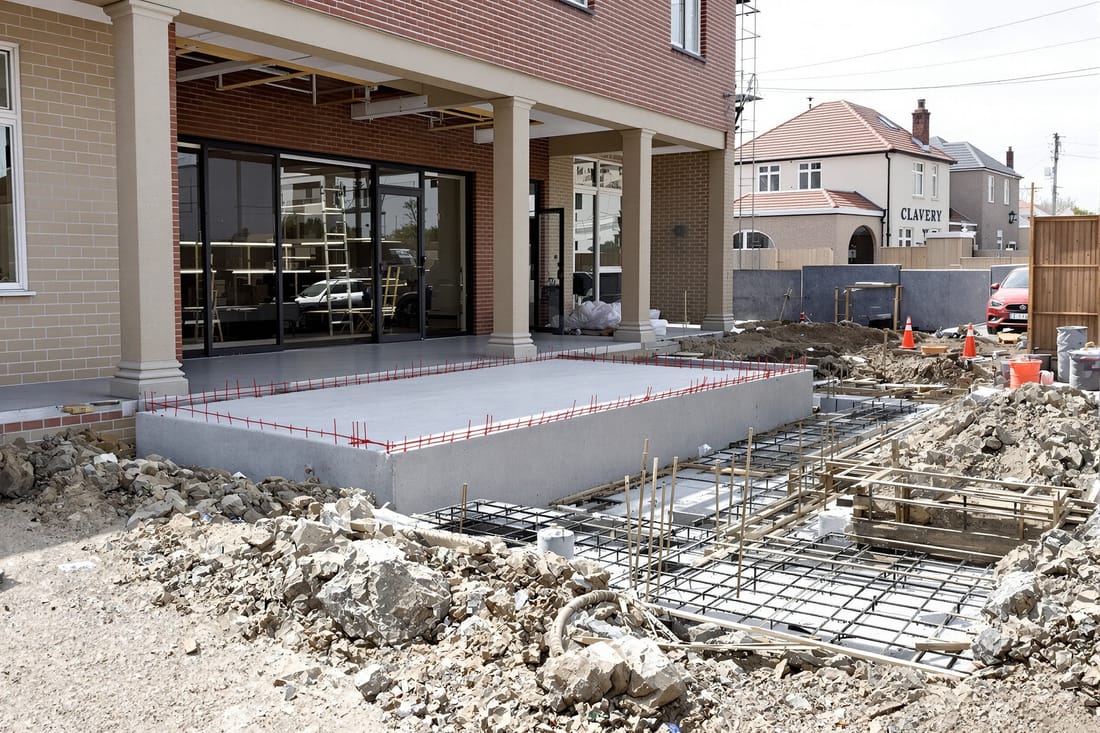
Structural concrete is not just a thicker slab. It is a system of footings, beams, reinforcement, and properly specified concrete that carries load safely. For Seminole homes and small commercial buildings, this usually means continuous strip footings under exterior walls, isolated pad footings under columns, and thickened slab sections where loads concentrate, such as under load‑bearing walls or large masonry openings.
Superior Concrete Seminole typically works from engineered plans, especially when permits are required. The engineer will specify footing widths and depths, rebar sizes and spacing, and concrete strength, commonly 3000 to 4000 psi for residential work. Our job is to build exactly to that specification. We place reinforcing steel on proper chairs so it stays in the correct position, tie bars securely, and make sure lap splices meet code. In corrosive coastal environments, such as near Boca Ciega Bay or in flood‑prone zones, we pay attention to concrete cover over the rebar and use mixes or coatings that protect against corrosion.
When we pour, we manage concrete placement and vibration so there are no voids under footings or around rebar. On hot Florida days we schedule earlier pours, control water content, and use curing methods that reduce plastic shrinkage cracking, like keeping surfaces damp or using curing compound. For structural slabs that will carry walls or heavy equipment, we often cut control joints on a specific pattern to manage where hairline cracks form.
Tie‑ins to existing structural concrete take extra care. For example, when extending a lanai or adding a sunroom to an older block house, we drill into the original footing or slab, install epoxy‑set rebar dowels, and key or step the new concrete into the old. This reduces differential settlement and keeps the whole structure moving as one. For foundations in areas with known soft pockets, we may widen footings or add grade beams that span between stronger soil areas, which can cost a bit more up front but avoids expensive repairs later.
Costs, options, and common problems to plan for
The cost of sitework and structural concrete in Seminole depends mostly on soil conditions, access to the work area, required concrete strength, and reinforcement complexity. A simple slab with straightforward site access, normal soil, and basic rebar will cost less per square foot than a job that needs significant fill, deep footings, and lots of steel. Backyard projects with narrow side yards often need smaller equipment or more hand work, which also affects pricing.
Permitting and engineering are another cost factor. Many structural concrete projects, such as room additions, new garages, or structural screen enclosures, require sealed drawings and city or county permits. Superior Concrete Seminole can work with your designer or engineer, or we can refer local professionals who understand Seminole building departments and typical coastal wind and flood requirements.
Common problems we see on older or poorly built concrete include settlement at corners, water ponding against house walls, and cracking where two different slabs meet with no proper connection. These usually trace back to missing sitework steps: no compaction, no thought given to drainage, or undersized footings for the actual loads. When we correct these issues, we may add new grade beams, underpin sections with added footings, improve surface drainage, or in some cases remove and replace failed sections of slab.
You also have options in finishes and performance. For structural areas that will stay exposed, we can broom finish, steel trowel, or use light texture to balance traction and cleanability. For garages or workshops, we may recommend a slightly higher strength mix and additional thickening at door openings or under heavy equipment. On projects near salt air or in flood zones, we may suggest corrosion‑resistant reinforcement or specific mix designs that hold up better over time. Talking through these options before we pour can save you from costly add‑ons or premature wear.
What Seminole homeowners and builders should check before hiring
Before you hire anyone for sitework or structural concrete in Seminole, there are a few practical checks that will protect you. First, confirm that the contractor is properly licensed and insured in Florida for concrete work, and that they actually perform structural work, not just decorative flatwork. Ask to see at least one set of recently completed permitted plans they built from, with the engineer of record identified.
Next, ask how they handle compaction and drainage. A reputable contractor should be able to explain what kind of base or fill they plan to use on your property, how they will compact it, and where water will go when it rains hard. If the answer is vague or they dismiss drainage concerns, that is a warning sign. Superior Concrete Seminole routinely marks proposed slab heights and drainage paths on site so you can see how everything will sit relative to existing doors, patios, and neighboring yards.
For structural concrete, you should also ask about inspection and testing. Many Seminole projects will have city or county inspections for footing depth, steel placement, and sometimes concrete strength testing with cylinders. We coordinate those inspections and do not place concrete until required approvals are in hand. If your job is more complex, like a new two‑story addition or structural retaining wall, we may recommend additional testing or special inspection depending on your engineer's requirements.
Finally, get a written scope of work that clearly states what is included in the sitework: clearing, hauling off spoils, fill, compaction, drainage features, forming, reinforcing, and finishes. This avoids surprises like unexpected charges for removing tree roots or adding basic drainage. When you work with Superior Concrete Seminole, we walk the site with you, point out any likely extra costs up front, and leave you with a clear description of how your structural concrete will be built and why it is designed that way for Seminole conditions.